

Understanding the Fire Risks of Power Banks and How to Prevent Explosions
- Stephanie Miller
- May 19
- 3 min read

Power banks have become essential for keeping our devices charged on the go. Yet, many people overlook the potential dangers these compact devices can pose, especially the risk of fire. When a power bank explodes or catches fire, the consequences can be severe, causing property damage, injury, or worse. Understanding why these incidents happen and how to prevent them is crucial for anyone who owns or uses a power bank.

What Happens When a Power Bank Explodes?
When a power bank explodes, it usually results from a rapid release of energy inside the battery. This can cause the device to burst, emit smoke, or catch fire. The explosion often happens because of a chemical reaction inside the lithium-ion battery, which powers most power banks. This reaction can generate intense heat and pressure, leading to the rupture of the battery casing.
The aftermath of such an explosion can include:
Flames spreading to nearby objects
Toxic smoke release
Physical damage to property
Risk of burns or injuries to people nearby
In some cases, the fire can spread quickly, especially if the power bank is near flammable materials like paper, fabric, or furniture. The sudden nature of these incidents means that quick action is necessary to minimize harm.
Why Do Power Banks Explode?
Several factors can cause a power bank to explode or catch fire. Understanding these reasons helps users avoid risky situations:
Overcharging: Charging a power bank beyond its capacity can cause overheating. Most quality power banks have built-in protection circuits, but cheaper models may lack this safety feature.
Physical damage: Dropping or crushing a power bank can damage the internal battery cells, leading to short circuits or chemical leaks.
Poor quality batteries: Low-quality or counterfeit power banks often use substandard lithium-ion cells that are more prone to failure.
Exposure to heat: Leaving a power bank in direct sunlight or inside a hot car can raise its temperature to dangerous levels.
Using incompatible chargers or cables: Chargers with incorrect voltage or poor-quality cables can cause irregular charging currents, stressing the battery.
Manufacturing defects: Faulty design or assembly can create weak points in the battery, increasing the risk of failure.
How to Prevent a Fire from a Power Bank
Preventing a fire starts with proper use and care of your power bank. Here are practical steps to reduce the risk:
Buy from reputable brands: Choose power banks from trusted manufacturers that meet safety standards and certifications.
Avoid overcharging: Unplug the power bank once it reaches full charge. Avoid leaving it plugged in overnight.
Use the right charger and cable: Always use the charger and cable recommended by the manufacturer or certified replacements.
Keep it cool: Store and use your power bank in a cool, dry place away from direct sunlight or heat sources.
Inspect regularly: Check your power bank for signs of damage, swelling, or unusual heat. Stop using it immediately if you notice any issues.
Avoid physical damage: Handle your power bank carefully. Do not drop, crush, or expose it to water.
Do not modify: Never open or tamper with the power bank’s internal components.
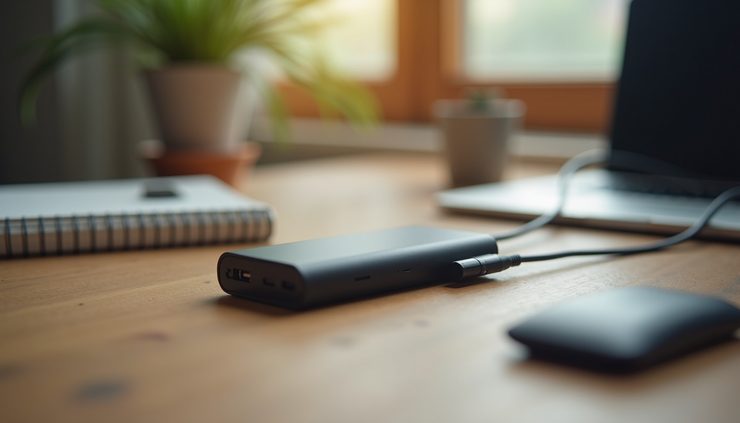
Precautionary Measures to Take
In addition to proper use, taking extra precautions can protect you and your property:
Charge on non-flammable surfaces: Avoid charging power banks on beds, sofas, or carpets. Use hard surfaces like tables or countertops.
Keep away from flammable materials: Store power banks away from paper, curtains, or other combustible items.
Do not leave unattended while charging: Monitor your power bank during charging to catch any signs of overheating early.
Have a fire extinguisher nearby: Keep a Class C fire extinguisher or a fire blanket accessible in areas where you charge devices.
Know emergency steps: If a power bank starts smoking or overheating, unplug it immediately if safe to do so, and move it to a non-flammable surface. Evacuate if fire starts and call emergency services.
Which Power Banks Are Safer?
Not all power banks carry the same risk. Here are features that indicate a safer product:
Certified safety standards: Look for certifications like UL, CE, FCC, or RoHS. These indicate the product has passed safety tests.
Built-in protection circuits: Features like overcharge protection, short circuit protection, and temperature control reduce fire risk.
High-quality lithium-ion cells: Trusted brands use reliable battery cells that are less prone to failure.
Good reviews and reputation: Check user feedback and expert reviews before purchasing.
Warranty and customer support: Reliable brands offer warranties and responsive customer service, showing confidence in their product.
Avoid extremely cheap or no-name power banks, as they often cut corners on safety.


Comments