

What Are the Acceptable Forms of Identification for Notary Services?
- Stephanie Miller
- Feb 4, 2025
- 3 min read

When you need notary services, bringing the right identification is crucial. Notaries act as impartial witnesses to the signing of important documents. Their primary job is to confirm that everyone involved is who they say they are. Having the correct ID not only makes the process smoother but also helps prevent fraud. In this post, we will explore the acceptable forms of identification that notaries recognize. By knowing what to prepare beforehand, you can save time and avoid any unnecessary hassle.
Why Is Identification Important for Notary Services?
The main job of a notary public is to prevent fraud when signing essential documents, such as contracts, power of attorney, or real estate deeds. By requiring valid identification, notaries help ensure the signer is genuinely who they claim to be. This protects everyone involved and maintains the integrity of the legal process.
In the United States, each state has its own rules about which IDs are accepted. For example, a notary in California may have different requirements than one in Texas. It's important to understand these variations to ensure everything goes smoothly during your appointment.
Common Forms of Acceptable ID
While requirements can vary from state to state, many notaries accept certain forms of identification universally. Below are the most commonly accepted types:
1. Government-Issued Photo ID
A government-issued photo ID is the most recognized form of identification for notaries. Examples include:
Driver’s Licenses: Generally used by everyday citizens and widely accepted.
State ID Cards: Often issued to those who do not drive, these are valid alternatives.
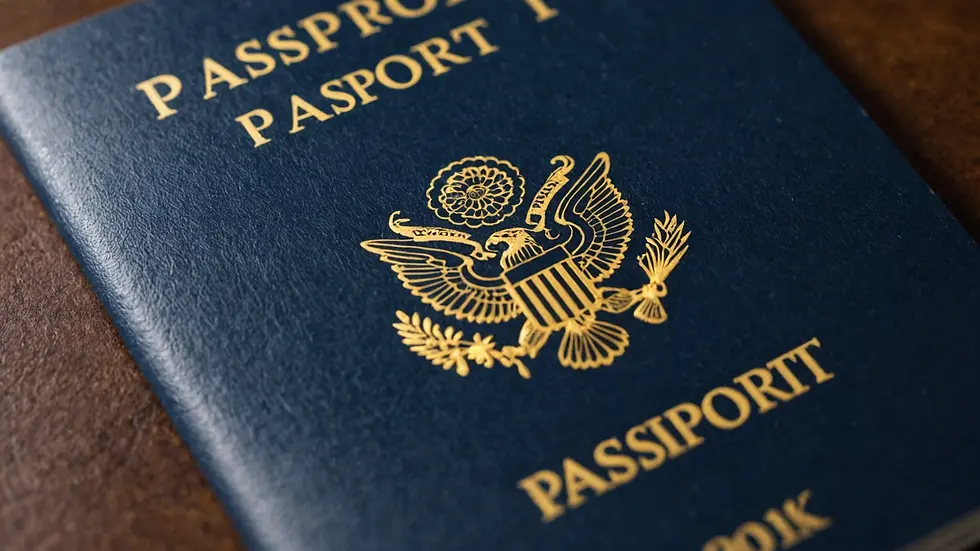
Passports: U.S. passports are a robust form of ID that is accepted across all states.
These IDs typically contain essential information like your name, photo, and signature, making them reliable proof of identity.
2. Military Identification Cards
Military IDs are valid forms of identification for notary services as well. They confirm both identity and military status. Whether you are active duty, retired, or a dependent of a service member, bringing your military ID is essential.
3. Tribal Identification Cards
Tribal IDs issued by Native American tribes are another acceptable form of identification for many notaries. However, policies regarding tribal IDs can vary, so it's wise to check in advance if the notary you plan to visit will accept them.
4. Work Permits or Employment Authorization Cards
In some cases, employment authorization cards provided by U.S. Citizenship and Immigration Services may also be accepted. These cards include your name and other identifying details, which help the notary verify your identity.
5. Secondary Forms of Identification
Sometimes, notaries might accept secondary forms of ID alongside primary identification. These can include:
Utility Bills: A recent bill can highlight your name and address.
Bank Statements: These documents serve as proof of residency.
Birth Certificates: While not a photo ID, they can help verify your identity.
Before your appointment, contact the notary to confirm if they accept these secondary forms.
6. Alternative Identification for Non-Residents
If you are a non-resident or lack typical forms of ID, some notaries might accept alternative documents. Examples include:
Affidavits: A sworn statement that helps establish identity.
Witness Statements: A person who can vouch for your identity may be allowed under certain circumstances.
Always talk with your notary to confirm what alternative documents they will accept.
What to Do If You Don’t Have ID
If you do not have an acceptable form of identification, follow these steps:
Contact the Notary: Always reach out beforehand to discuss your situation. They may have specific procedures for those lacking an ID.
Gather Supporting Documents: Prepare any documents that can help establish your identity, even if they don’t meet the primary criteria.
Bring a Witness: If the notary allows, having someone who can verify your identity may assist in your appointment.
Preparing for Your Notary Appointment
Bringing valid identification is vital when obtaining notary services. Understanding the acceptable forms of ID ensures a smooth experience and reinforces legal security. Whether it is a government-issued ID or a tribal identification card, being ready with the correct documentation will help facilitate your transaction efficiently.
Since each state has unique requirements, it is always good practice to contact your notary ahead of time for specific instructions. By staying informed, you will be well-prepared for your next notary service appointment.


Comments